Imperio

Imperio

Duration: 9 minutes  Format: 1080p  16:9

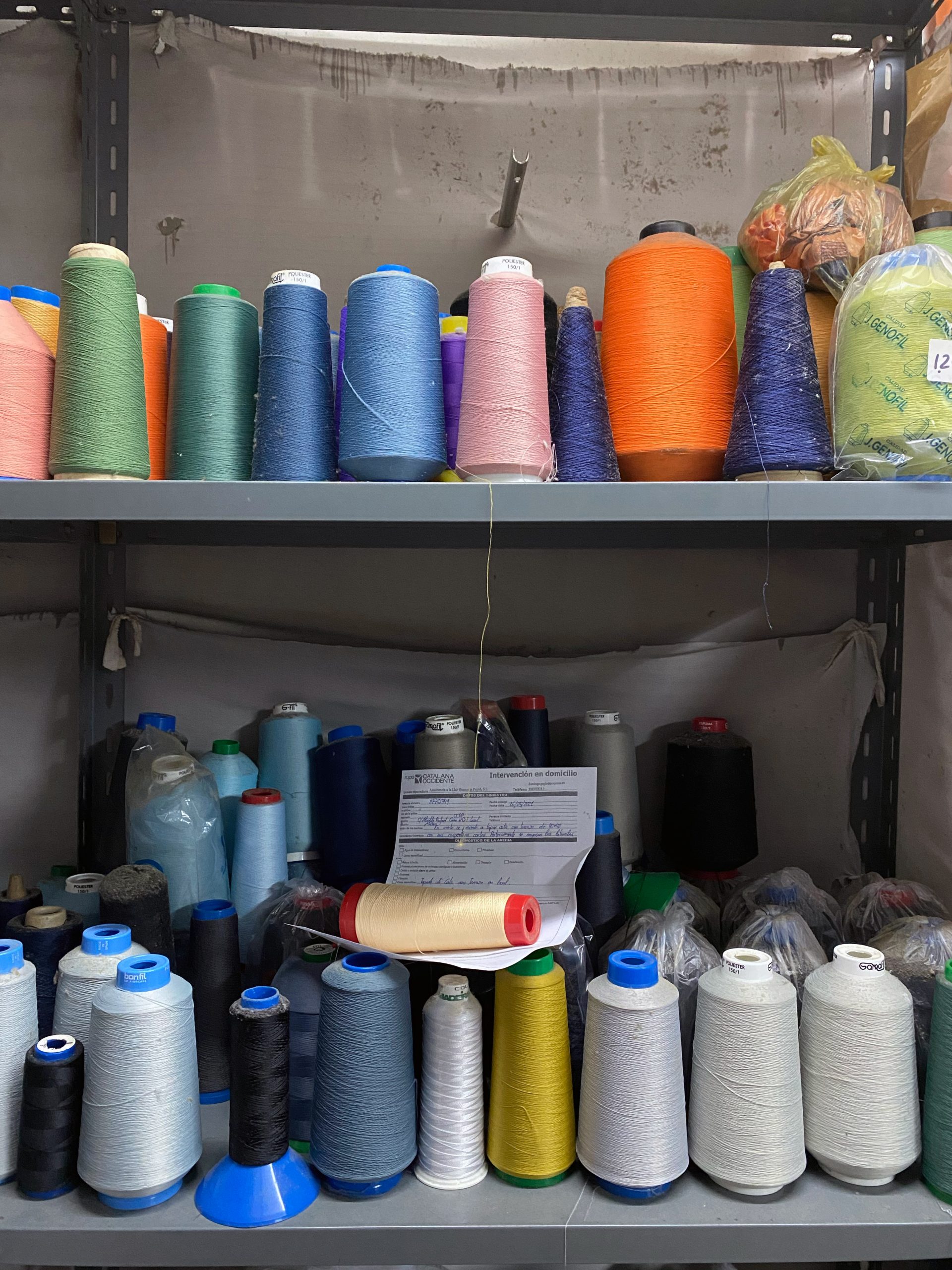
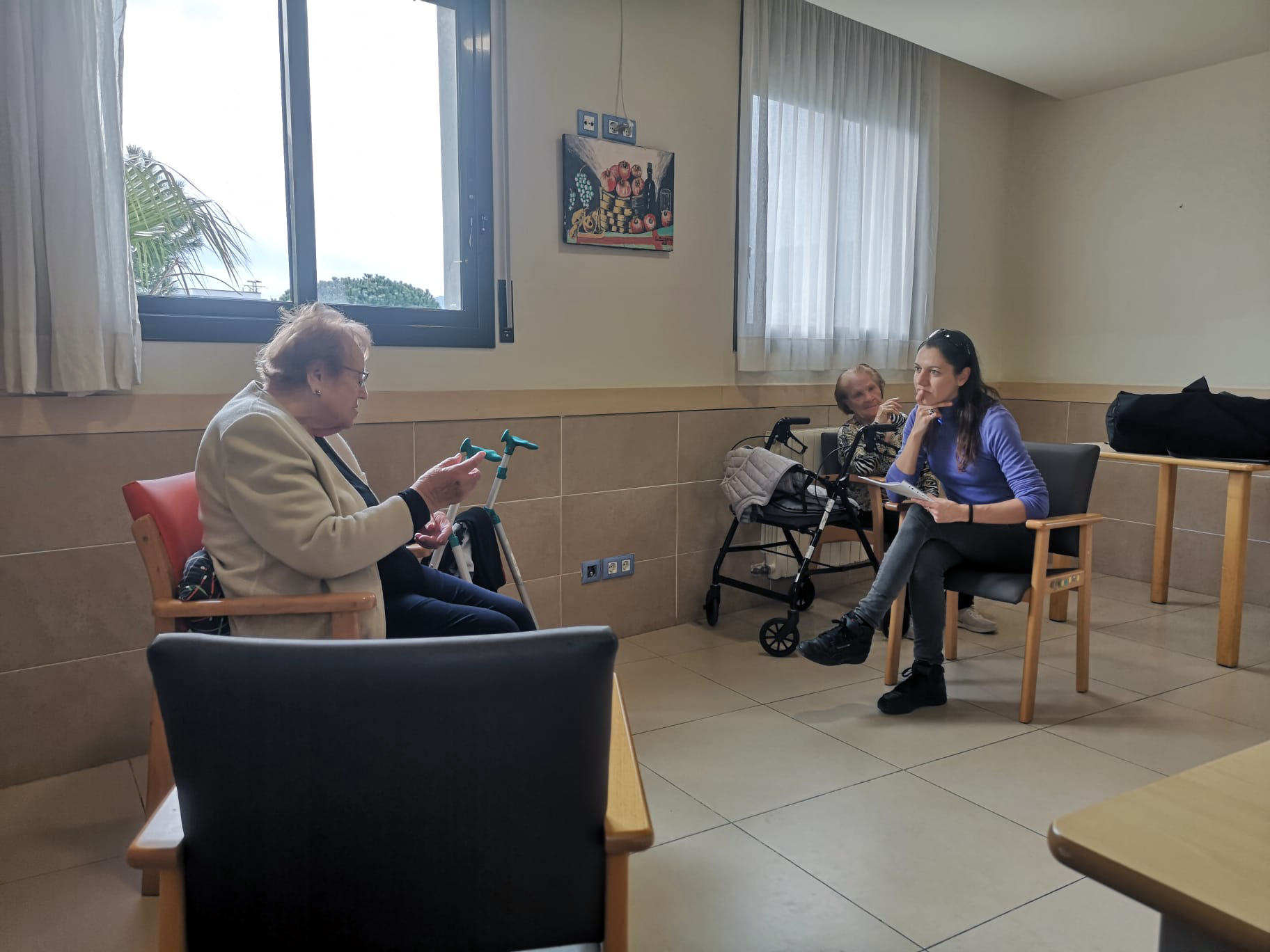
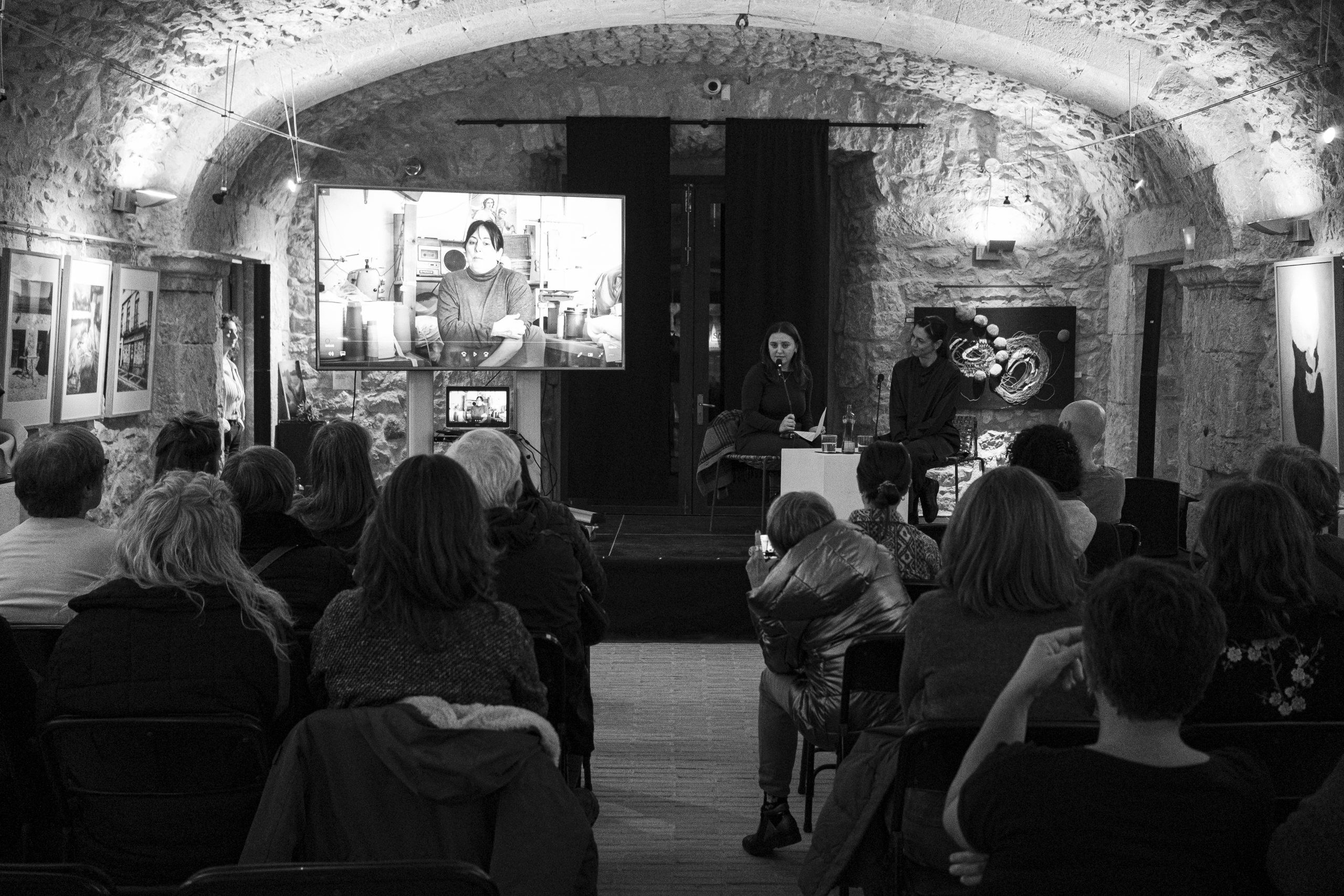
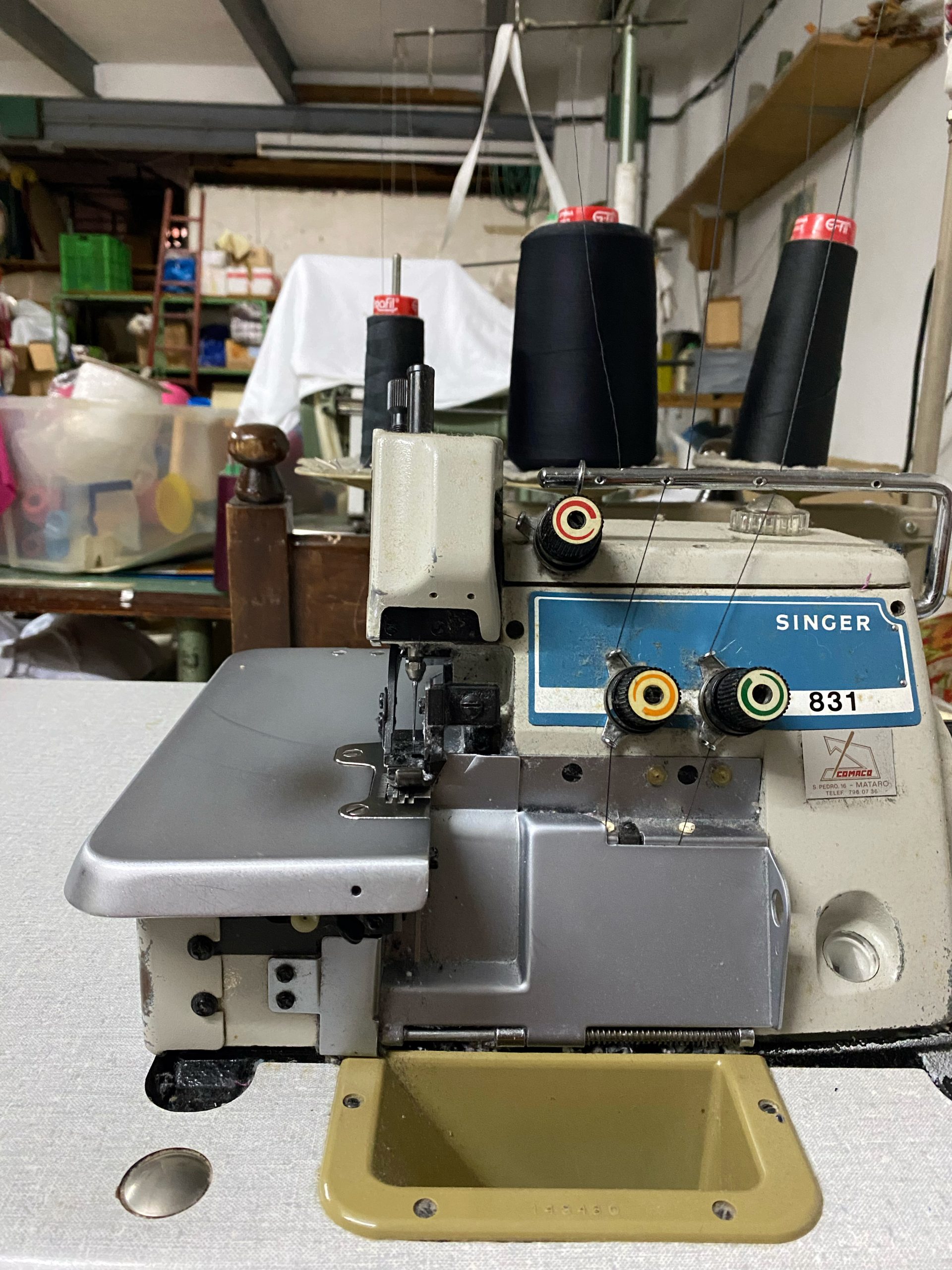
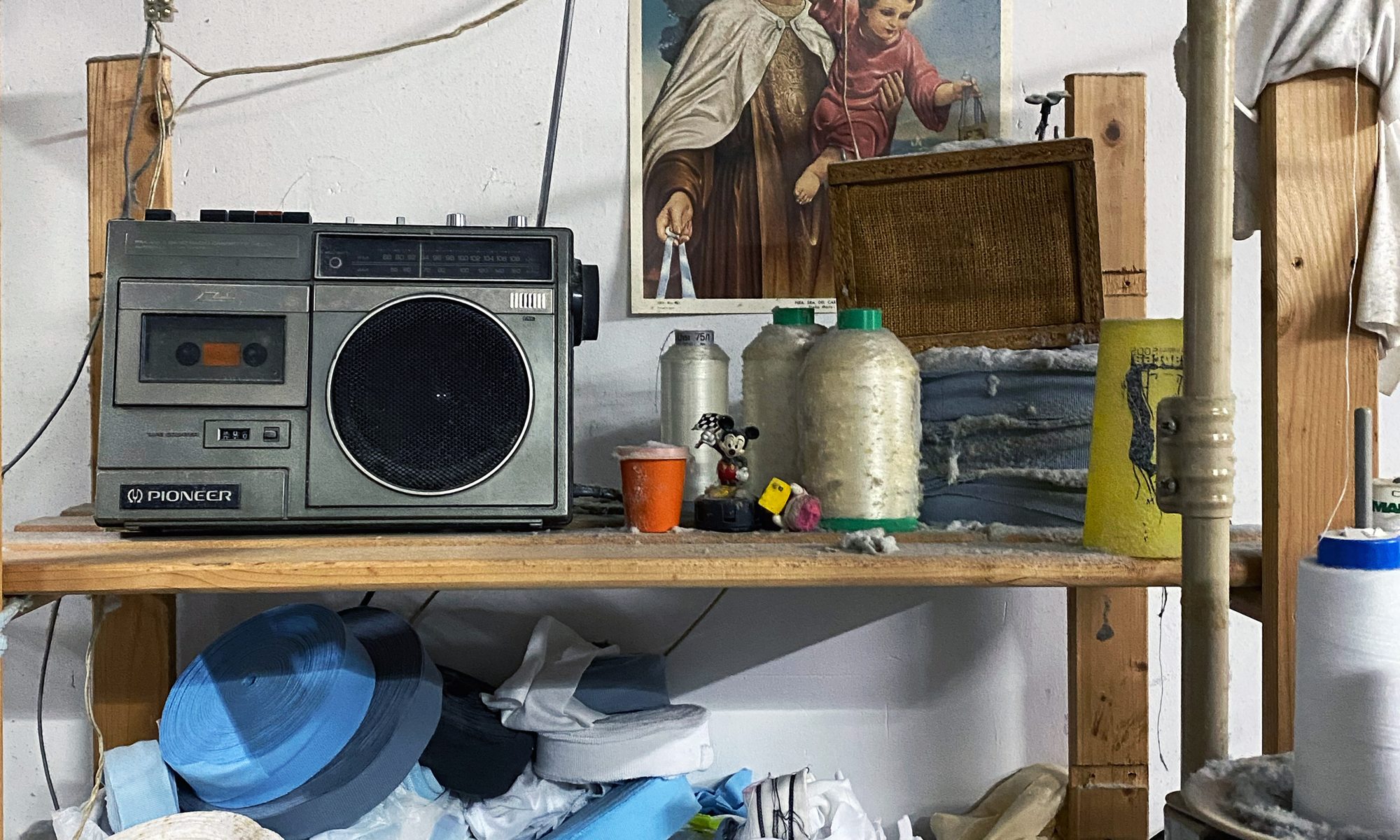
Imperio: Legacy of the Invisibles is an artistic research project that places at its center the voices of the women who worked in the textile industry in Catalonia. Through interviews and the analysis of historical documents, the project reconstructs the working conditions of these women and connects them with current dynamics of precariousness and exploitation.

The research is based on the premise that the memory of Catalan industrialization has been built from a hegemonic patriarchal narrative that has systematically silenced the role of women. This partial perspective also obscures how gender—and, in many cases, migrant status—placed these workers in positions of greater labor vulnerability


Building on this premise, the research poses a series of questions intended to spark reflection and challenge historical structures: In what ways has motherhood been used as a tool of social control in the workplace? How does migration impact the precarization and vulnerability of women workers? What effects does motherhood have on women’s access to job opportunities and professional advancement? How can these historical structures be dismantled and, from the artistic field, new forms of resistance and vindication be imagined?

The research continues in the performance Legado de las invisibles.

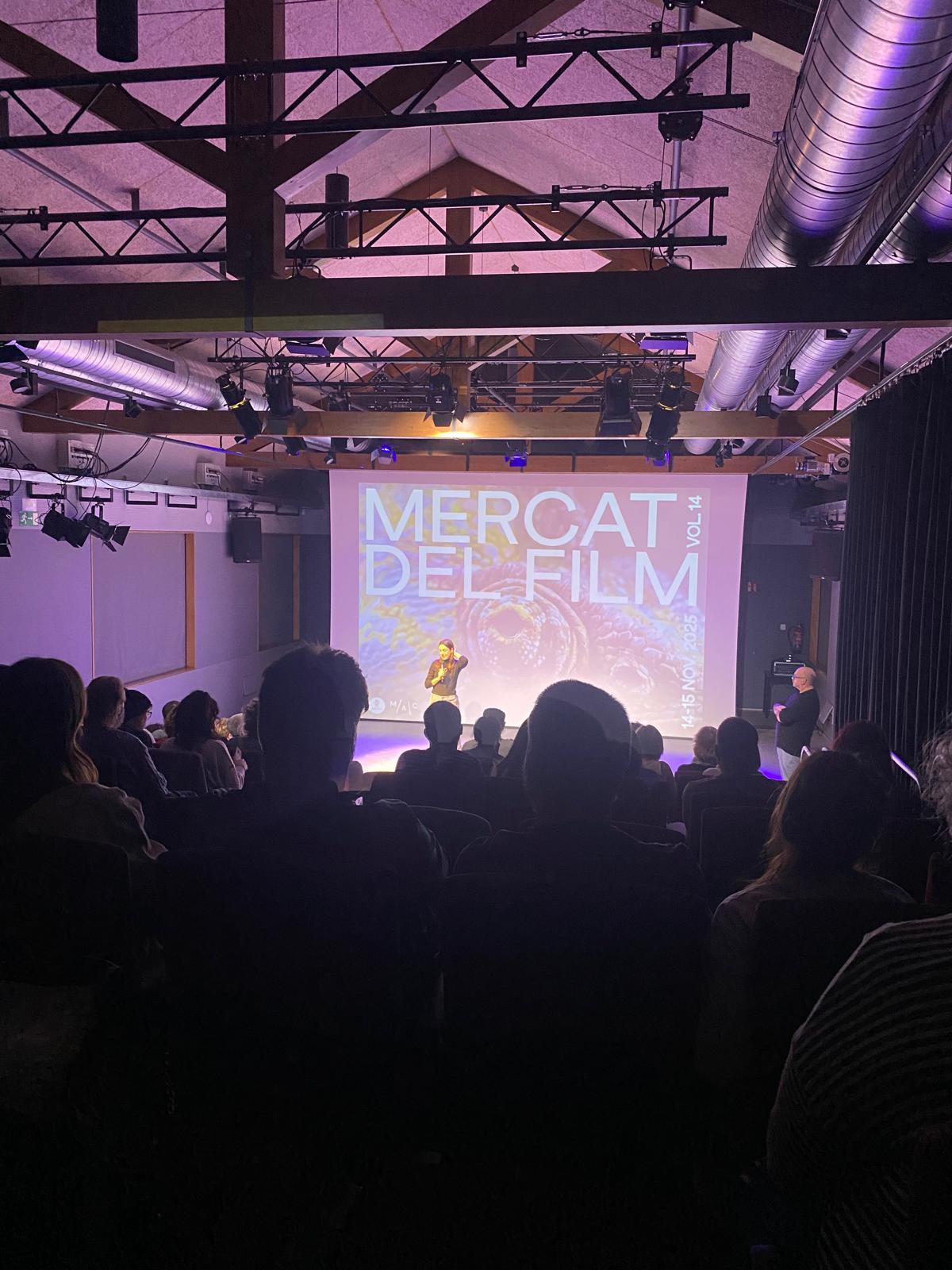
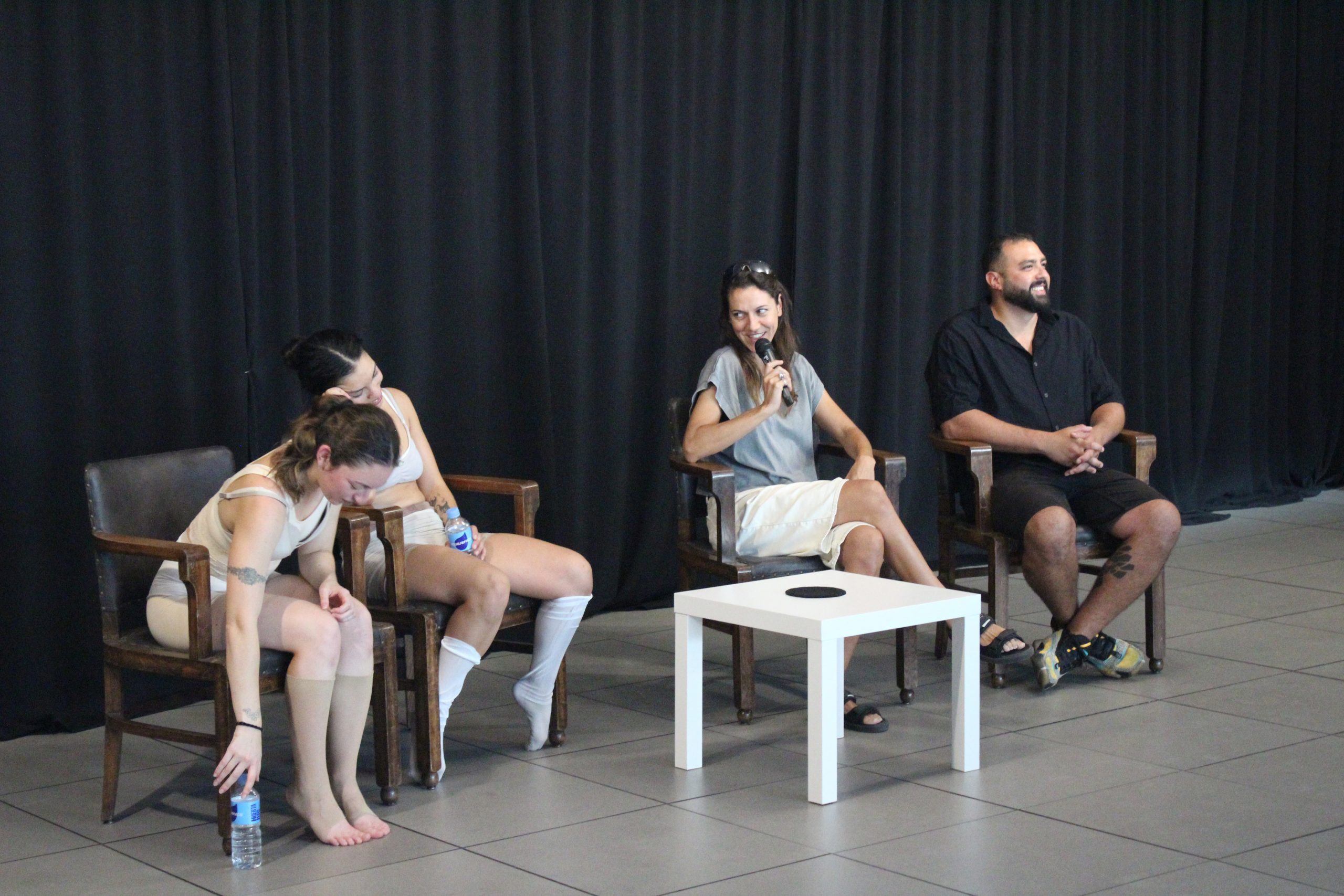
This project was produced with the support of the Nosaltres Grant, in collaboration with the Fundació Iluro. It premiered on August 14, 2025, at the Nosaltres Festival, held in the gardens of the Antic Escorxador in Mataró. The piece was also presented at the Mercat del Film Festival (Mataró) and the Les Muses Festival (L’Escala, Girona), where the screening was followed by a public discussion.

Gypsy pilgrimage

Saintes Marie de la Mer – Gypsy pilgrimage

Saintes Marie de la Mer

Gypsy pilgrimage
This documentary video was filmed in May 2021 while photographer Jorge Perez Ortiz was documenting Europe’s largest Gypsy pilgrimage in Saintes-Maries de la Mer, France.
Every year, thousands of gypsies congregate at Saintes Maries de la Mer, paying homage to Saint Sara or Sara Kali. Although the tradition of the pilgrimage has roots in the Middle Ages, the participation of gypsies was authorized in the 20th century. In the days before the pilgrimage, devotees carry candles to illuminate the crypt that houses the statue of Saint Sara, located to the right of the altar. The central altar holds a reliquary, and on the wall is the cross of the Procession, where the faithful leave offerings such as jewelry and messages of devotion. The statue of Saint Sara is covered by numerous coats, and it is customary to show respect by kissing a foot or the hem of her dress.  
During the procession, the statue of Santa Sara is carried by gypsies in the company of white horses. Later, they immerse her three times in the sea as a symbol of hope and purification. This event also promotes meetings and baptism ceremonies for children. Sara’s enigmatic story includes stories suggesting that she helped the Marys disembark as they fled persecution in the Holy Land (Palestine), and other medieval legends indicate that they were cast adrift until they reached the coast of what is now France. After their death, the saints were buried, which led to the creation of a place of worship from the 6th century onwards and, finally, the construction of a chapel.
This work is licensed under CC BY-NC-ND 4.0

Japan 40″

Eneritz_tejada_japan_40

Japan 40″

After the Second World War, in Japan it became popular to practice ‘inemuri’ in the belief that dedication to work would make them a great power again. This Japanese practice means “sleeping while present” and is practiced both at work and in public spaces. In a country where sleeping is considered a waste of time, it is not surprising that the average is 6 hours, and that they focus their day on productivity. If you are able to fall asleep under some circumstances it is because you have worked hard. The obsession with work, coupled with the traditional Japanese personality, has become a public health problem for the country.

In Europe it is estimated that 1 in 3 people suffer from disorders related to anxiety and stress due to the feeling of lack of time. Despite living surrounded by conveniences and digital devices designed to make our lives easier, we have less and less time. Today we look for quick, immediate pleasures. The throwaway culture in which there is no time for more. Reading e-mails while riding the subway, making compulsive purchases while walking down the street or listening to audio recordings at higher speeds have become common practices in our day-to-day lives.  

The way we consume images through the screen of our smartphone is proportional to the frustration we feel at not being able to reach everything. Overly ambitious expectations distort our human nature by relegating critical thinking, reflection, observation, contemplation or meditation to the background.

Are social networks shaping our way of perceiving the world by doing it, for the most part, through a screen?

Japan 40” seeks to highlight the superficiality of sensory experiences through a screen and reflects not only on the continuous distraction that prevents deep reflection, but also on the problem of visibly representing our diminishing attention span.
Ultimately, Japan 40” exposes the links between the culture of haste, the obsession with productivity and the consequent frustration with the lack of time in our contemporary society.

The project, presented as a 25 minutes video, is a compilation of video fragments of 40 seconds each, recorded during my one-month stay in Japan in 2018.